 You are viewing the Brand location.
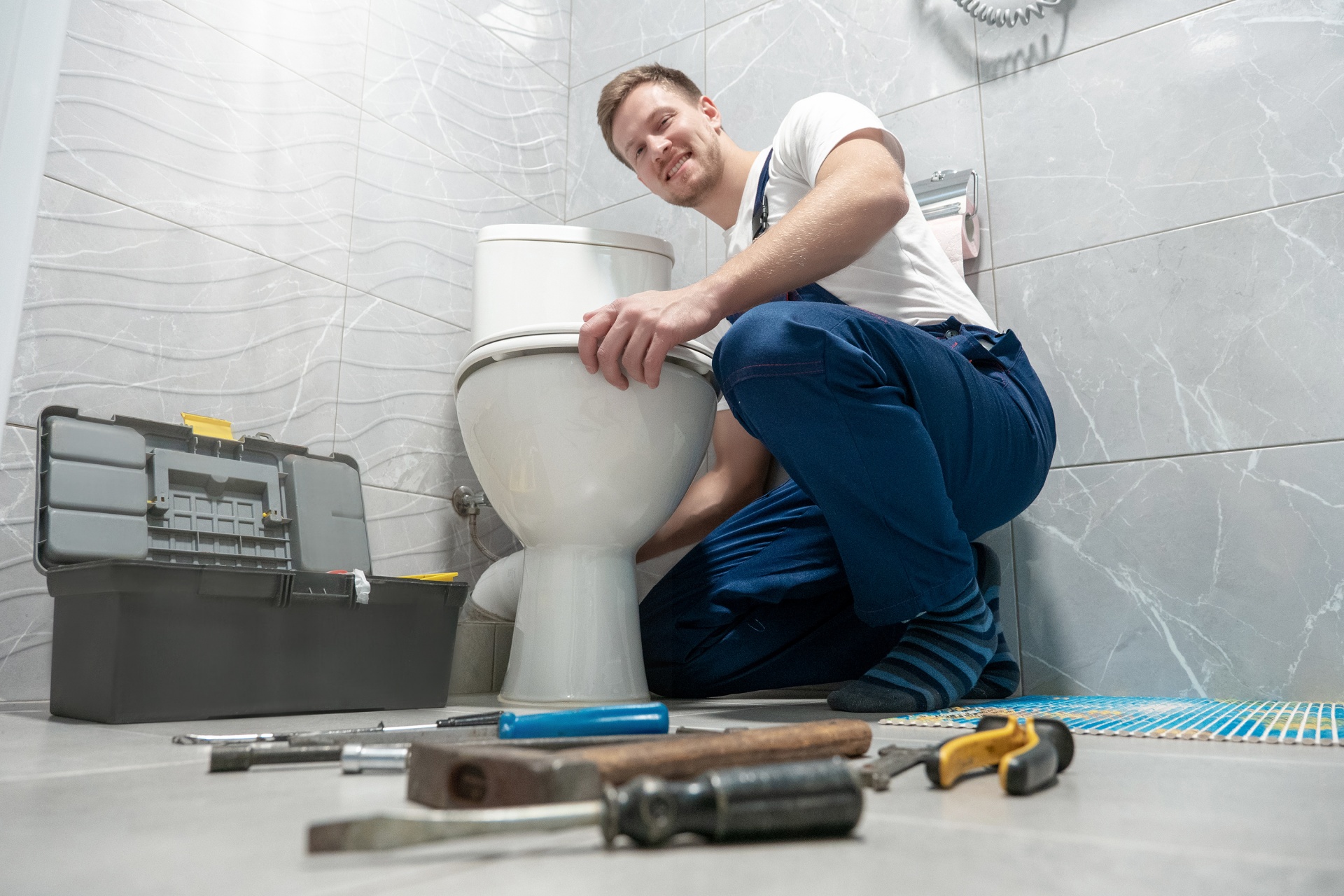
It is so easy to panic when you’re faced with a plumbing emergency. And an overflowing toilet is about as panic-inducing as a plumbing emergency gets! Not only do you have no idea what to do, you’re also vividly aware that germ-infested water is spreading pathogens across your bathroom, and the problem is getting bigger by the second!
A plumbing emergency is any issue that poses an immediate risk to your home, property, or health. Additional signs of a plumbing emergency include visible frost on pipes, loss of running water, and wastewater backing up into drains. Major leaks, a burst pipe, sewer backups, overflowing toilets, loss of water access, leaky faucet, and sewer line issues all qualify as urgent problems that require prompt attention. Even smaller leaks can escalate into serious problems if they threaten flooring, walls, or electrical systems. Sudden drops in water pressure, water pooling around fixtures, or strange odors coming from drains indicate urgent plumbing issues. Strange noises from plumbing fixtures or water heaters can also signal underlying problems that need professional inspection.
Panic can easily make a problem bigger, or make it take longer to come up with a solution. So it’s the last thing you want to do in a challenging situation. How can you avoid panicking when your toilet overflows? By knowing ahead of time what you’ll need to do. Let us arm you with some knowledge.
If you experience a plumbing emergency, document damage for insurance claims by taking photos and videos of the affected areas before cleanup. Also, turn off electricity in areas impacted by water to avoid hazards. If you suspect a gas leak, which is often characterized by a smell of rotten eggs, evacuate immediately and call 911.
Our commitment to customer satisfaction means you can trust us to provide reliable and efficient solutions during any emergency plumbing situation. Alltech Services guarantees a quick response, approximately 10 minutes, to help minimize damage and restore your home’s safety.
Introduction to Toilet Overflow
A toilet overflow is one of the most common—and disruptive—plumbing emergencies homeowners face. Whether it’s caused by clogged drains, a malfunctioning toilet flapper, or improper installation, an overflowing toilet can quickly lead to water damage, structural issues, and even health hazards if not addressed right away. The longer you wait, the greater the risk of further damage to your home and plumbing system. That’s why it’s essential to act fast and call a professional plumber who offers 24/7 emergency plumbing services. With the help of expert plumbing services, you can resolve the issue efficiently and restore your peace of mind, all while minimizing disruption to your daily routine. Don’t let a plumbing emergency catch you off guard—know who to call and act quickly to protect your home.
Understanding Emergency Plumbing
Plumbing emergencies can strike without warning, turning a normal day into a stressful situation in moments. Whether it’s a burst pipe flooding your home, a leaking water heater threatening to cause water damage, or a sewage backup creating a health hazard, these situations require immediate attention. Recognizing the signs of a plumbing emergency—such as sudden water loss, unexplained puddles, or foul odors—can help you act quickly to protect your property and your family’s safety.
In these critical moments, having access to 24/7 emergency plumbing services is essential. A reliable plumbing company with expert plumbing services can dispatch an emergency plumber at any hour, ensuring that emergency repairs, drain cleaning, and water heater services are handled promptly and professionally. Don’t wait for a minor issue to become a major disaster—if you suspect a plumbing emergency, call for help right away. Fast action and professional intervention can minimize damage, restore your plumbing system, and give you peace of mind knowing your home is in good hands.
Identifying the Cause of the Overflow
Pinpointing the exact cause of your toilet overflow is key to preventing it from happening again. A licensed plumber can use advanced tools like video camera inspections to get a clear view of what’s going on inside your pipes. Often, clogged drains are to blame—especially if non-biodegradable items like wipes or sanitary products have been flushed. Blockages or other issues can restrict water flow, leading to overflows or reduced performance in your plumbing system. Other culprits include faulty toilet flappers, improper installation, or even more serious sewer line problems. Strange noises from pipes or water heaters, as well as sudden drops in water pressure, can also indicate underlying plumbing issues that require professional attention. A leaky faucet is another common issue that may signal a need for plumbing inspection and repair. By working with a full-service plumbing company that offers expert plumbing services and drain cleaning, you can get to the root of the issue and ensure it’s fully resolved. Regular maintenance services, such as routine drain cleaning, are also a smart way to keep your plumbing system in top shape and avoid future overflows.
Step 1: Turn Off the Toilet Water Supply
When you’re faced with a plumbing emergency like a burst pipe or a leaking water heater, your first priority should always be to stop the flow of water to prevent further damage. Quickly locate your home’s main shut-off valve—usually found near the water meter or where the main water line enters your house—and turn it clockwise to cut off the water supply. This simple action can make a huge difference, helping you avoid extensive damage and costly repairs. If you’re unsure where your shut-off valve is or how to operate it, don’t hesitate to consult your home’s plumbing diagram or reach out to a professional plumber for guidance. Acting fast during a plumbing emergency is essential to protect your property and minimize the risk of further damage to your plumbing system, whether you’re dealing with a leaking water heater, burst pipe, or any other urgent plumbing issue.
Step 2: Absorb Overflow Water with Towels
Once you’ve stopped the water supply, it’s time to tackle the water cleanup. Standing water can quickly seep into floors, walls, and even plumbing fixtures, leading to long-term issues like mold, rot, and structural damage—especially in areas like flooded basements. Use towels, buckets, or a wet/dry vacuum to remove as much water as possible, focusing on preventing it from spreading to other parts of your home. Prompt water cleanup not only protects your flooring and walls but also helps maintain the integrity of your plumbing system. For larger incidents or if you’re dealing with significant standing water, consider calling in a professional water cleanup service to ensure the area is thoroughly dried and sanitized. Acting quickly at this stage can save you from more extensive repairs down the line and keep your home safe and comfortable.
Step 3: Plunge the Toilet Safely
If you suspect that something is clogging the toilet, whether you know something had a hard time flushing or you just saw a giggling small child and you can no longer find their rubber duck, keep in mind that a backed up drain is a common cause of toilet overflows and can quickly escalate into a plumbing emergency. Try using your toilet plunger, held vertically and thrust just a short distance with a good bit of force several times.
Step 4: Contact a Professional Plumber if Needed
After you’ve taken immediate steps to control the situation, it’s crucial to contact professional plumbing services to address the root cause of the problem. An emergency plumber can assess whether a repair or replacement is needed, depending on the severity of the issue. Emergency plumbing services often include temporary fixes to stop leaks until permanent repairs can be made. Plumbing companies typically stock their trucks with common parts and materials for emergency repairs, allowing for faster service. Many plumbing companies provide upfront pricing for emergency services to avoid surprises. You can also request a free estimate for plumbing services, ensuring transparency and no obligation.
An emergency plumber can provide expert diagnosis and repair, whether you’re dealing with a stubborn clog, sewer line repair, or a leaking faucet. Look for a fully licensed and insured plumbing company that offers 24/7 emergency plumbing services, same day service, and upfront pricing so you know exactly what to expect. Skilled professionals can handle urgent plumbing repairs, including drain cleaning services, water heater repair, and sewer line problems, all while working to resolve plumbing issues with minimal disruption to your daily life. By choosing a reputable plumbing company, you’ll benefit from fast, reliable solutions that restore your plumbing system and help prevent future emergencies.
Step 5: Sanitize the Area Thoroughly
Once plumbing repairs are complete, it’s essential to thoroughly disinfect any areas affected by water or sewage backups. Use a bleach and water solution to clean all surfaces around plumbing fixtures, floors, and any other spots that came into contact with contaminated water. This step is especially important in residential plumbing situations, where the risk of bacteria and waterborne pathogens is higher. For severe cases, such as flooded basements or significant sewage backups, consider hiring a professional service to ensure every area is properly sanitized. Proper disinfection after plumbing repairs not only protects your family’s health but also helps maintain a safe and hygienic home environment.
HVAC and Plumbing: What Homeowners Should Know
Many homeowners don’t realize how closely their HVAC and plumbing systems are connected when it comes to home comfort, safety, and efficiency. For example, a gas leak in your plumbing system can impact your air conditioning or heating, and vice versa. That’s why it’s important to be vigilant about gas line leaks and to call a licensed plumber immediately if you suspect a gas leak or notice strange odors. Regular routine maintenance for both your plumbing system and HVAC equipment can help catch potential issues early—like a leaking water heater or a burst pipe—before they cause extensive damage or disrupt your daily life. Upgrading to tankless water heaters or scheduling maintenance services with skilled professionals can improve efficiency and prevent serious problems. By understanding how your plumbing and HVAC systems work together, you’ll be better equipped to make informed decisions about repairs, upgrades, and emergency repairs, ensuring your home stays safe, comfortable, and running smoothly all year round.
Full Service Plumbing Solutions
When it comes to your home’s plumbing, you need a partner who can handle every situation—big or small. Our plumbing company offers full service plumbing solutions designed to meet all your plumbing needs, from routine maintenance to emergency plumbing repairs. Our skilled professionals are equipped to tackle a wide range of plumbing issues, including leaky faucets, clogged drains, and complex sewer line problems. We pride ourselves on providing upfront pricing, minimal disruption to your daily life, and a commitment to customer satisfaction with every job.
Our comprehensive plumbing services include drain cleaning services to keep your pipes flowing smoothly, water heater repair to ensure you always have hot water, and expert installation of plumbing fixtures. Whether you’re facing a sudden plumbing emergency or need help with routine maintenance, our team delivers expert plumbing services you can trust. With our full service plumbing approach, you can rest easy knowing that all your plumbing problems will be resolved efficiently and effectively, keeping your home safe and comfortable year-round.
Day-to-Day Plumbing Needs
Your plumbing system works hard every day, and keeping it in top shape requires regular attention and care. Beyond emergency plumbing services, we’re here to support your day-to-day plumbing needs with a full range of maintenance services, plumbing repairs, and new plumbing fixture installations. Our experienced team understands the importance of a reliable plumbing system, and we’re dedicated to helping you maintain it with services like leak detection, drain cleaning, and water heater maintenance.
Routine maintenance can help you avoid unexpected plumbing issues, such as sudden drops in water pressure, strange noises from your pipes, or even flooded basements. By addressing small problems early, you can prevent them from turning into urgent plumbing situations that disrupt your home and daily routine. Serving the Loudoun County area, we’re always ready to respond to your plumbing needs—whether it’s a quick repair, a new installation, or urgent plumbing assistance. Trust us to keep your plumbing system running smoothly, so you can enjoy peace of mind and comfort in your home every day.
Frequently Asked Questions
Question: What should you do first if your toilet starts overflowing?
Answer: The first step is to stop the flow of water. Remove the tank lid and push the flapper valve down to stop water from entering the bowl. You can also turn off the water supply valve behind the toilet to prevent more water from filling the tank.
Question: Why does a toilet overflow in the first place?
Answer: A toilet usually overflows because of a clog in the drain line or a blockage in the toilet trap. When waste or excess toilet paper prevents water from draining properly, the bowl fills faster than it can empty, causing water to rise and potentially overflow.
Question: Can a plunger fix an overflowing toilet?
Answer: Yes, a plunger is often the most effective first tool for clearing a clogged toilet. By creating pressure in the drain, a plunger can help loosen and move the blockage through the pipe. Several firm plunges may be needed before the clog clears and normal flushing returns.
Question: When should you call a plumber for an overflowing toilet?
Answer: If plunging does not resolve the clog or the toilet continues to overflow repeatedly, it is best to call a professional plumber. Persistent problems may indicate a deeper blockage in the plumbing system that requires specialized tools and professional inspection.
Question: How can you prevent toilet overflows in the future?
Answer: Preventing toilet overflows starts with proper use. Avoid flushing large amounts of toilet paper, wipes, or non-flushable items. Regular plumbing maintenance and being mindful of what goes down the toilet can help reduce the chances of clogs and future overflows.
AllTech Services, Inc. is your trusted resource for all your plumbing concerns. Contact us today!
 703-962-4112