
 You are viewing the Brand location.
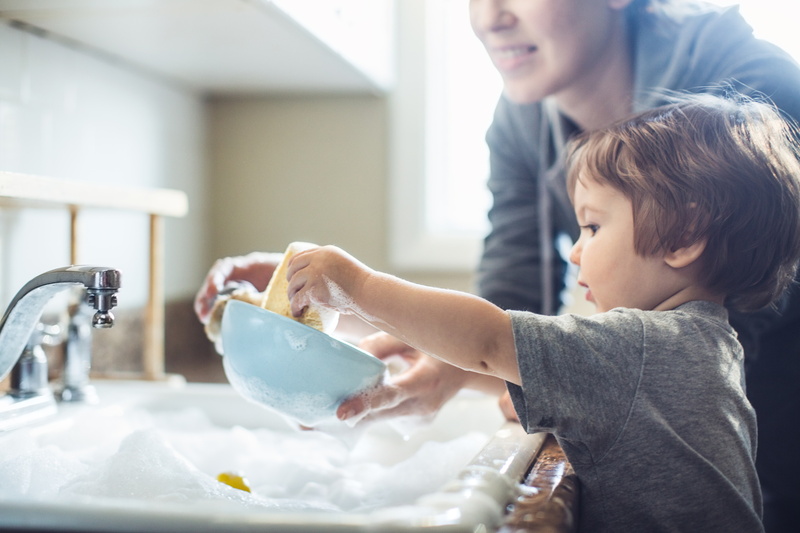
If your home has children in it, you know better than anyone the sort of catastrophes they’re able to create. Whether it’s broken toys, injuries, or a virus that comes home from preschool and cascades through the whole family, kids bring a great deal of chaos to a home. And they can wreak havoc on your home’s plumbing as well.
There are two ways to approach plumbing disaster preparation. First, take steps to minimize the risk that your kids will cause a plumbing emergency. Second, have a plan for what to do if an emergency does happen.
How Kids Can Help Minimize the Risk of a Plumbing Emergency
With plumbing, as with so many aspects of parenting, being prepared can be the difference between a calm, safe household and a panicky disaster. First, keep in mind that most plumbing emergencies are just a final straw breaking the camel’s back. Gradual buildup is the real problem, and preventing that will prevent major clogs.
In the kitchen, teach your children to wipe their plates with a paper towel before putting them in the sink. This will prevent crumbs and chunks of food from entering your plumbing. It will also prevent the dreaded FOG—fats, oils, and grease—from coating the inside of your pipes. That might be liquid now, but as it cools, it will solidify like a stick of butter and block your sink drain.
In the bathroom, use mesh drain covers in the sink and shower. These will catch a lot of hair and need to be cleaned frequently. They’ll also catch some of the soap scum that can build up and narrow your drain pipes, as well as any excess food that ends up in the sink during messy toothbrushing.
Finally, if you have very young children, you already know they are basically experimental physicists with unquenchable curiosity. They have to try everything, and to test their results, they have to try it repeatedly. They will almost definitely flush something down the toilet that they shouldn’t! Childproof toilet latches are a great option and could save your rubber ducks—and your plumbing—from a tragic fate.
What Kids Should Know About Handling a Plumbing Emergency
The worst thing you can do when toilet water is gushing across your floor is to panic. Having a plan will help you keep your head on straight and tackle the problem quickly and effectively. First, know where your shut-off valves are. Each fixture should have its own, which will only shut off the water to that particular section of your plumbing. This can be used for sudden overflows or leaks.
Your whole-house shut-off valve is another good thing to be aware of. If you have a leak that you can’t stop with the shut-off valve of a specific fixture, you can shut off all the water where it enters your home. This will be low down, on the wall facing the street if you have municipal water, or the wall closest to your well.
Make sure you have some basic tools on hand. A large toilet plunger, a small sink plunger, a plastic drain snake, and a hand-cranked drain auger could help you solve your problem yourself. But if you can’t, you should also have contact information at the ready for a 24-hour plumber in Ashburn, VA, and don’t hesitate to use it.
Frequently Asked Questions
Question: How can kids help prevent plumbing problems at home?
Answer: Kids can help prevent plumbing problems by learning what should and should not go down drains and toilets. Simple habits such as throwing trash in the garbage instead of the toilet and avoiding putting food scraps or toys in sinks can make a big difference in protecting the home’s plumbing system.
Question: Why shouldn’t toys or objects be flushed down the toilet?
Answer: Toilets are only designed to handle human waste and toilet paper. Flushing toys, paper towels, wipes, or other objects can block pipes and cause serious clogs. These blockages may lead to overflowing toilets, damaged plumbing, and costly repairs that could have been easily avoided.
Question: What should kids avoid putting in the kitchen sink?
Answer: Kids should avoid putting food scraps, grease, cooking oil, and other solid waste into the kitchen sink. These materials can build up inside pipes and eventually cause stubborn clogs. Instead, food waste should go in the trash or compost to keep the plumbing system running smoothly.
Question: What should kids do if they notice a plumbing problem?
Answer: If kids notice something unusual, such as a leaking faucet, a clogged toilet, or water pooling around a sink, they should tell an adult right away. Reporting small issues early can help prevent bigger plumbing emergencies and allows the problem to be fixed quickly.
Question: Why is it important for families to talk to kids about plumbing rules?
Answer: Teaching kids basic plumbing rules helps them understand how their actions affect the home’s plumbing system. When children know what items should stay out of drains and toilets, they are less likely to cause clogs or damage, helping families avoid unnecessary plumbing emergencies.
AllTech Services, Inc. is your trusted resource for all your plumbing concerns. Contact us today!
 703-962-4112